

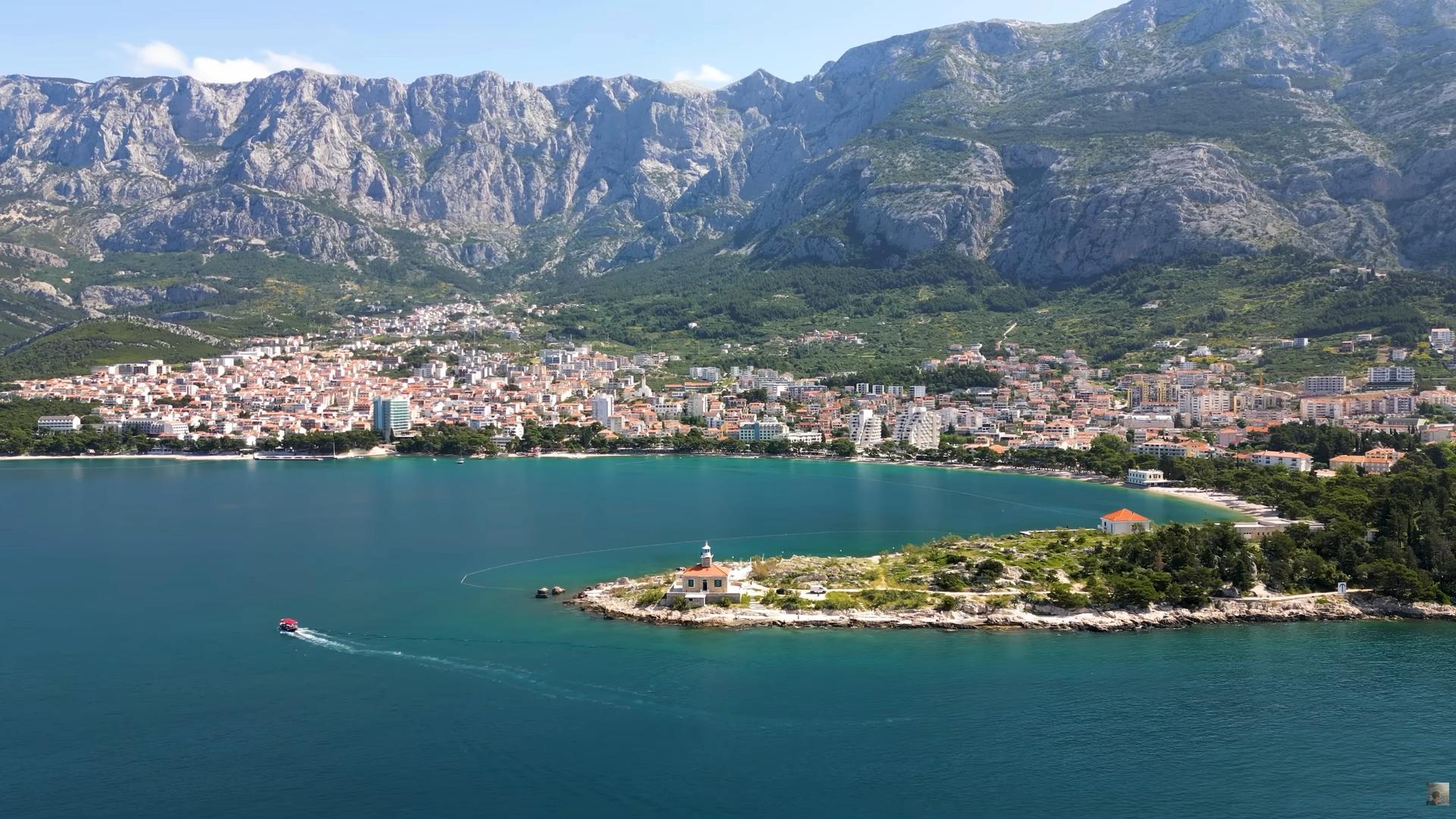
Details
Read time
3 Minutes
Date
May 14, 2026
The Soul of Dalmatia: An Extended Deep-Dive into the Makarska Riviera
1. Kotišina: The Fortress in the Clouds
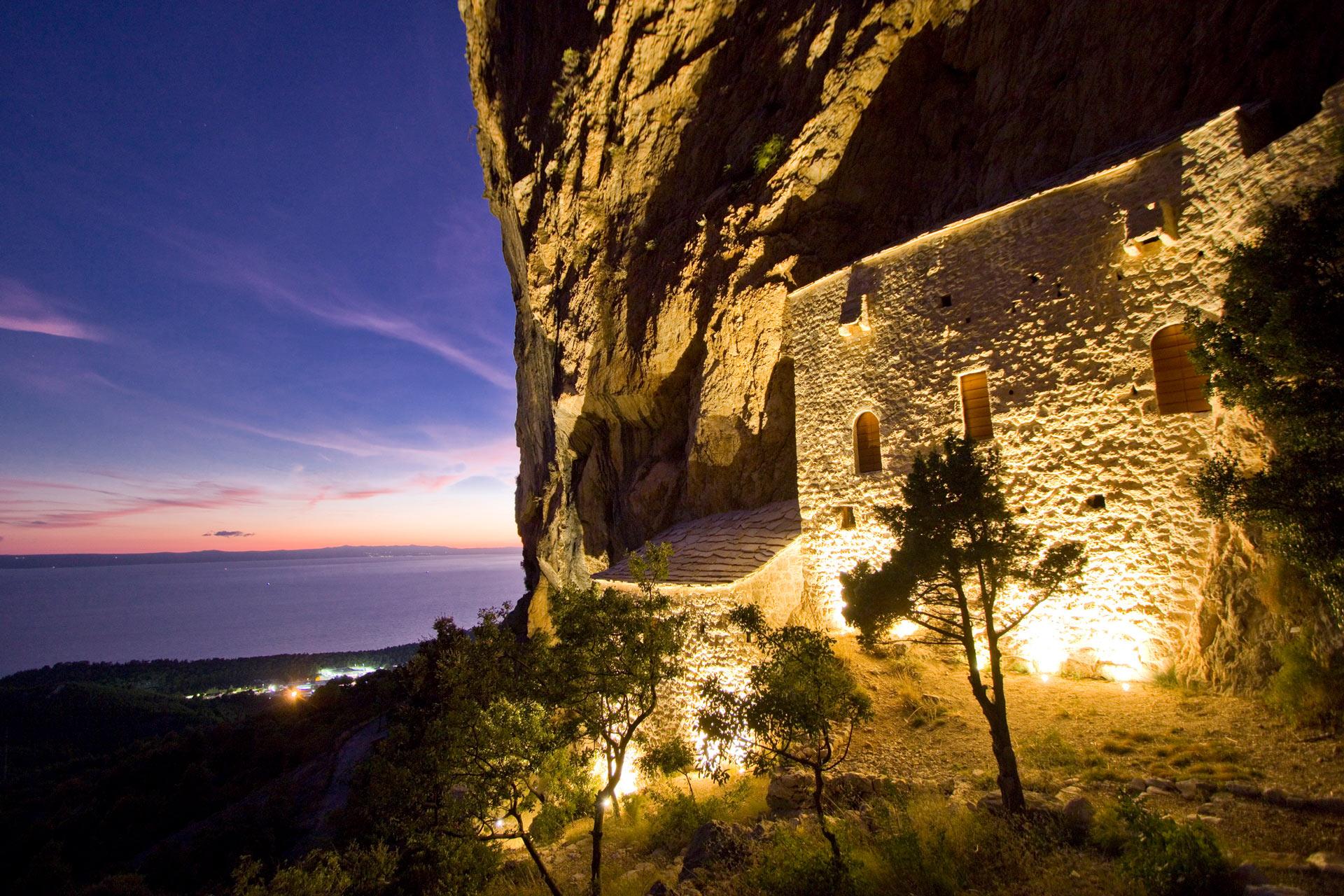
Just 15 minutes from the center of Makarska, the village of Kotišina serves as a dramatic gateway to the Biokovo Nature Park.
- The Fortress of Secrets: The Veliki Kaštel isn't a castle in the traditional sense. It’s a 17th-century fortification built during the Cretan War. The genius of its design is that it utilizes the natural caves of the cliff. It’s a literal "cave-castle" that once protected the locals from Ottoman raids.
- The Botanical Garden: Unlike manicured city parks, the Kotišina Botanical Garden is a "wild" garden. It preserves the indigenous mountain flora. In late spring, the scent of wild sage, rosemary, and immortelle is intoxicating.
- The View: From the terrace of the fortress, you get a bird’s-eye view of the islands of Brač and Hvar that makes the ferries below look like tiny toy boats.
2. The Hike to Nugal: A Coastal Pilgrimage
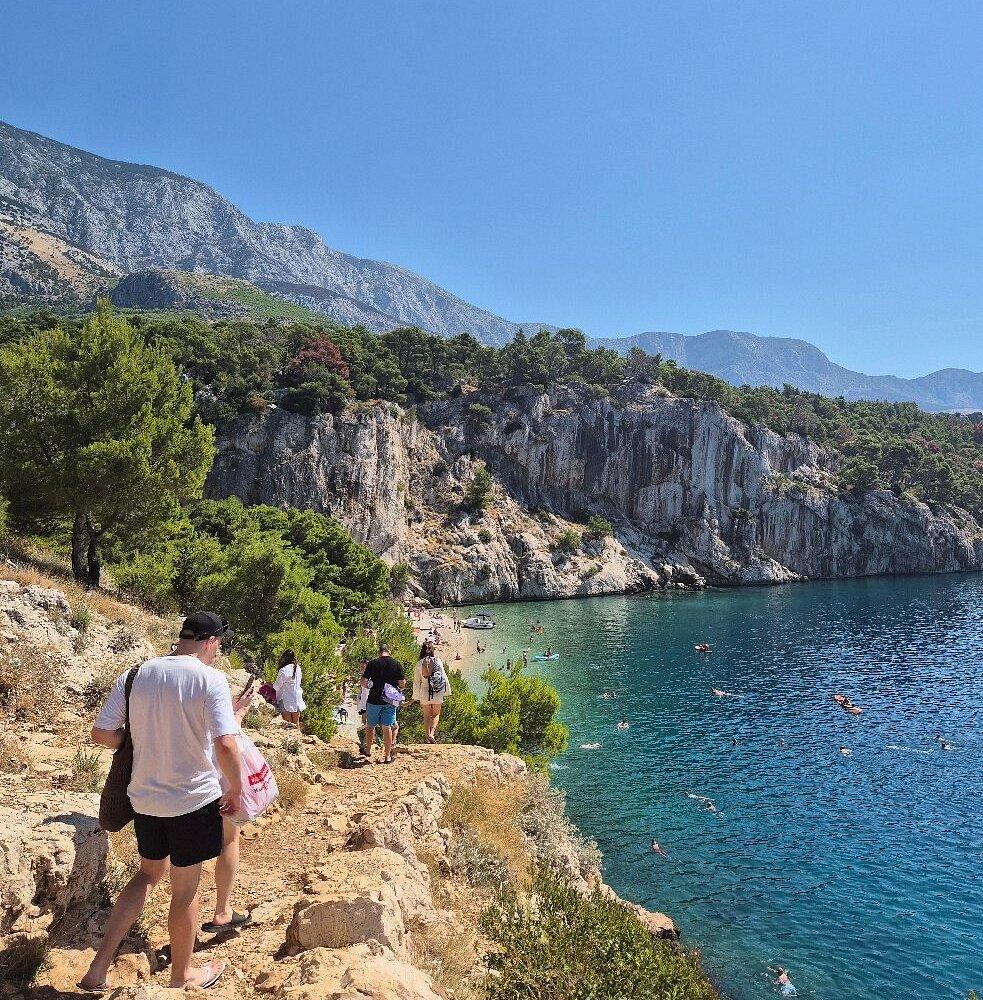
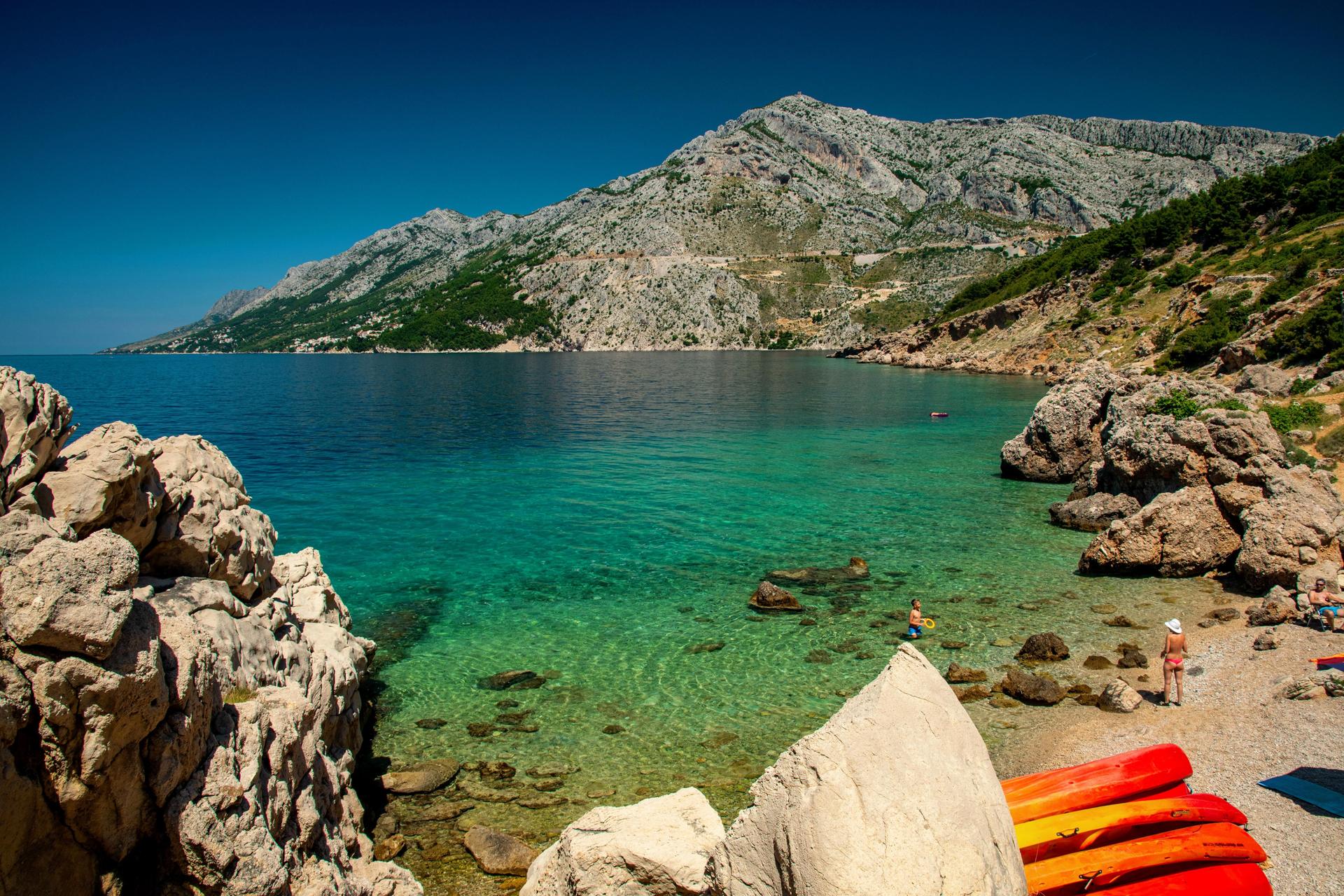
Most tourists stay on the main beaches, but for those willing to sweat a little, Nugal Beach offers a reward like no other.
- The Forest Path: The walk through the Osejava Forest Park is half the fun. You’ll walk under the canopy of Aleppo pines, with the sound of the sea crashing against the rocks below you. There are several "secret" viewpoints along the way that are perfect for a quiet meditation or a spectacular photo.
- The Seasonal Waterfall: If you are lucky enough to visit after a spring rain, you’ll witness a rare phenomenon: a freshwater stream that flows from the mountain and tumbles over the 30-meter high cliff directly onto the beach. It’s nature’s own "infinity shower."
- The Vibe: Nugal is a place of total freedom. It’s quiet, it’s raw, and the water is a shade of electric blue that you have to see to believe.
3.. The Culinary Art of the "Peka" and the Mountain Hamlets
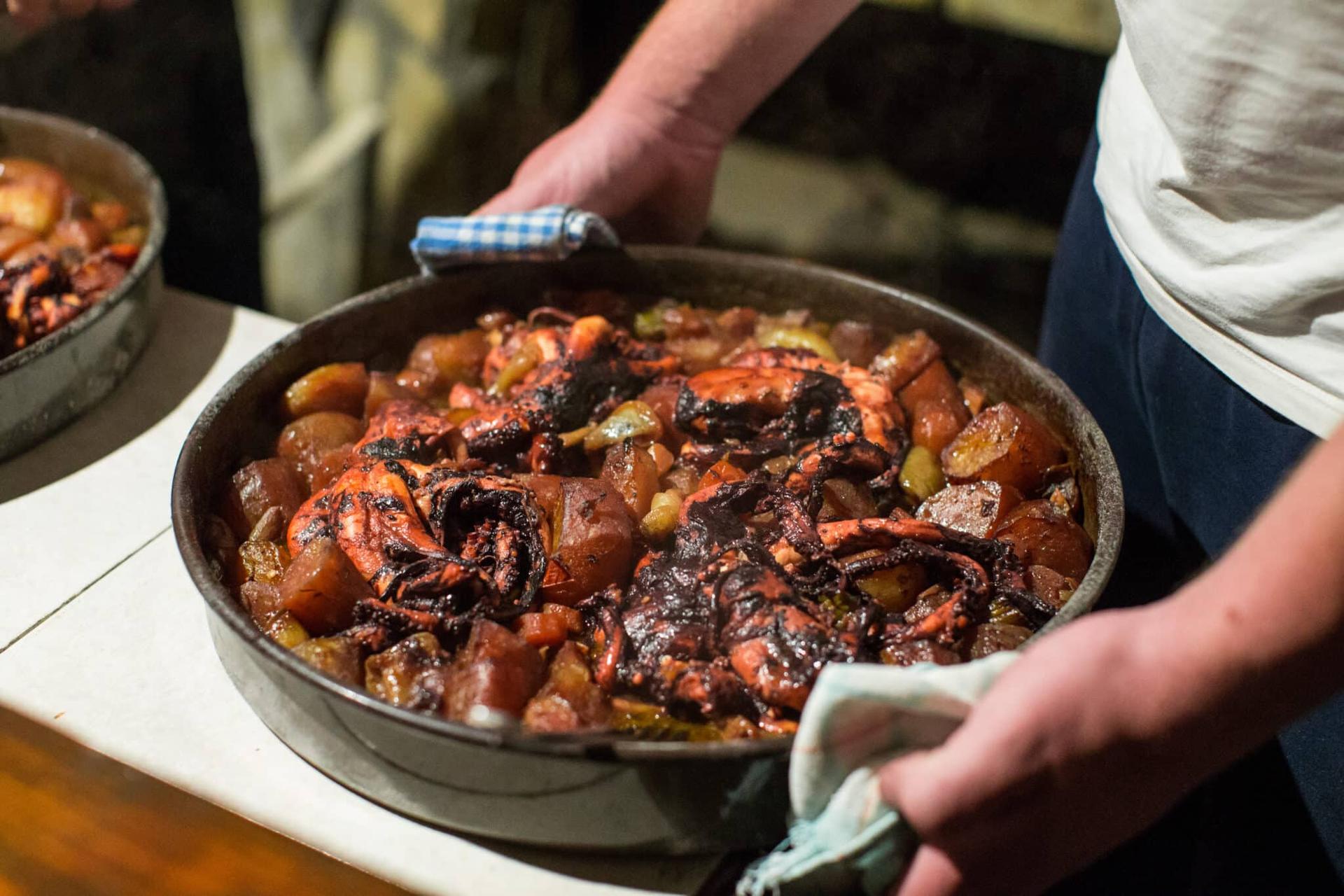
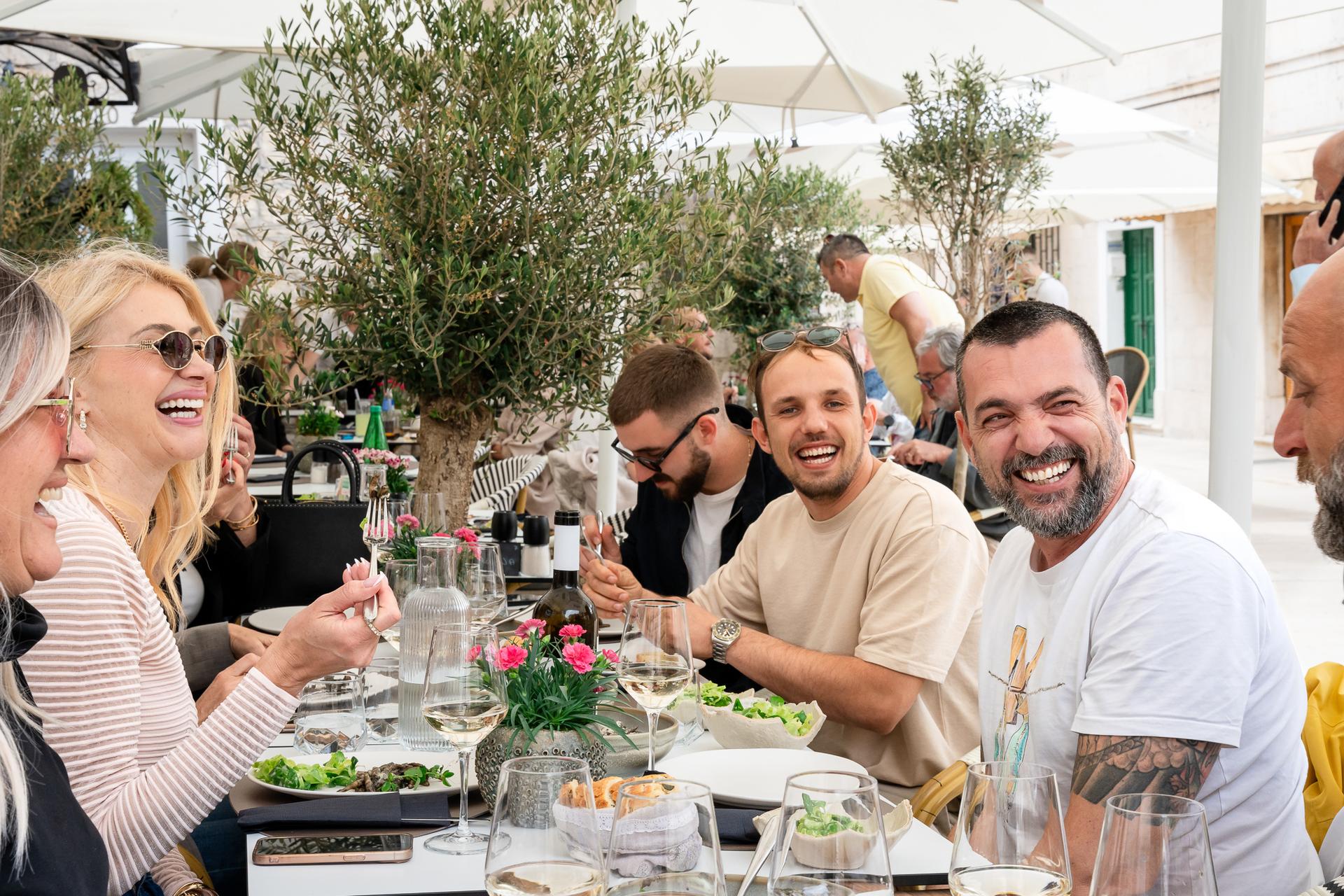
In Dalmatia, food isn't just fuel; it’s a social contract. And the Peka is the ultimate expression of this.
- The Ritual: To eat a Peka in a mountain village like Bast or Topići is to travel back in time. These villages are built entirely of stone, settled by people who originally moved away from the coast to escape pirates.
- The Flavor: Whether it’s octopus (hobotnica) or veal (teletina), the magic happens under the "Cripnja" (the iron bell). It’s covered with hot coals, creating a pressurized oven. The meat becomes so tender it falls off the bone, and the potatoes caramelize in the juices.
- Pro Tip: Always ask for the local house wine. It’s usually made by the owner of the Konoba from grapes grown in the very same soil.
4. Vruja: The Mythical Abyss
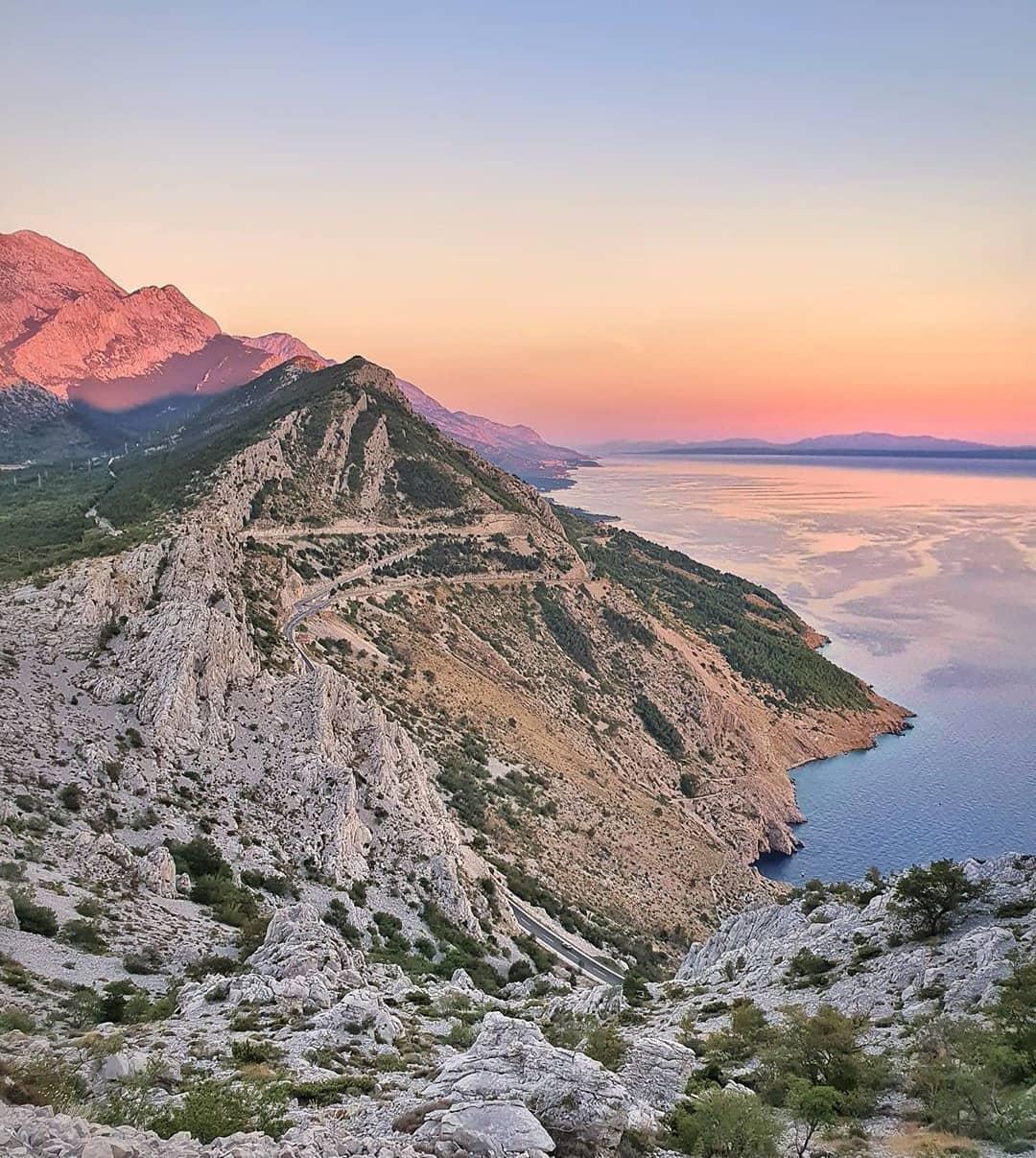
Between the villages of Brela and Omiš, the mountains seem to split apart, creating the bay of Vruja.
- The Underwater River: Beneath the surface lies one of the largest "Vruljas" (underwater springs) in Europe. A massive subterranean river from the Biokovo mountains pushes freshwater out into the sea. On a calm day, you can see the "boiling" circles on the surface.
- Legend has it: Local folklore says that an ancient city is buried at the bottom of the bay, and on stormy nights, you can still hear its bells tolling.
- The Experience: Rent a small motorboat from Brela. Dropping anchor in the middle of Vruja, surrounded by 500-meter high cliffs, is a humbling experience that reminds you of the sheer power of nature.
Two Records, One Legend: The Quest for a Hero
For me, Vruja is more than just a geological wonder; it’s a place of ghosts and sunken dreams. Local lore tells of Pelegrin, a sunken city that impatiently awaits its rebirth from the depths. I’ve come across two fascinating versions of this legend preserved by local chroniclers:
- The Midnight Ride: According to Ante Carević, a chronicler from Brela, a hero must appear at the stroke of midnight on Christmas Eve. He must meet a girl on a white horse and ride toward the city’s votive sanctuary while the "wild waters" of Vruja chase them, trying to swallow them whole.
- The Royal Carriage: Stipe Zubanović, in his book Hod s burom, describes a carriage drawn by two white horses emerging from the white foam of the spring at Christmas midnight. A prince and princess sit inside, waiting for a savior brave enough to leap into the speeding carriage and take the reins.
Whether you see a powerful force of nature in that churning water or the "wild waters" of a legend, Vruja is a place where you stand silent. Today, it beckons divers and sailors, but even if you just stand at the viewpoint like our ancestors once did, you’ll feel the weight of the mystery
5. The "Liquid Gold" Experience in Podgora
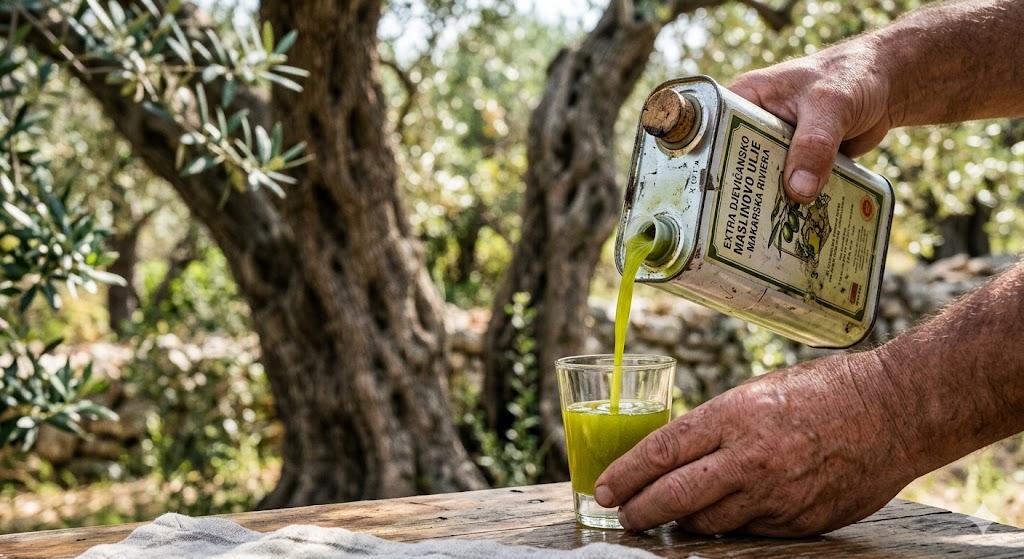
Olive oil is the lifeblood of the Riviera. In Podgora, the tradition of olive growing is as old as the hills themselves.
- The Harvest: While the harvest happens in October/November, the oil is enjoyed year-round. Visit a local mill to see the pressing process.
- Tasting Like a Pro: When tasting, don't just dip bread. Take a small sip, swirl it in your mouth, and look for that peppery finish at the back of your throat. That’s the sign of high-quality polyphenols.
- The Landscape: Walk through the terraced olive groves above Podgora. These stone walls (suhozid) were built by hand over centuries and are now protected by UNESCO.
To build a day around the olive groves, explore these Podgora walking and dining ideas.
The Makarska Riviera is a treasure chest. For those willing to leave the beaten path of the promenade and climb a few hundred meters in elevation, the reward is a collection of memories that define the true spirit of Croatia. Whether it’s the silence of a stone fortress or the deep, rich flavor of a Peka, these are the moments that stay with you forever.
Discover Makarska: Your gateway to an unforgettable vacation experience
 +385 99 163 8560
 support@makarska-exklusiv.com



© Copyright Makarska Exklusiv. All Rights Reserved.
Made with love by Stylabs